Pasadena Native Pollinator Garden Designer
Pasadena • Altadena • Sierra Madre • Monrovia • Arcadia
As a Pasadena Native Pollinator Garden Designer serving the foothill communities, I help transform outdoor space into local wildlife havens. A small corner can help rebug the planet, attract birds, support butterflies, save bees, and reduce the cost of lawn upkeep. These small or micro gardens tend to be between 20 – 120 square feet and the design depends on the focus. Butterflies need a little bit more space, while bees can benefit from a small, dense flower forest.
Small Native Garden Design
Ready to start your specialty garden? Fill out your New Garden Form.
Bee Garden
Bees can benefit from just 10 square feet of dense native blooms, though more space is definitely welcome.
Butterfly Garden
These are typically 60 to 120 square feet to allow fluttering space and rest spots.
Bird Garden
These gardens are versatile in size, as long as there is room for different levels of vegetation.
.
Habitat Corner
Usually 20 to 60 square feet, with a focus on creating a mini ecosystem that benefits all.
Fragrance Garden
I can curate a chaparral perfume or flower arrangement that also benefits wildlife.
Forage Garden
Love to eat what you grow? There are many native plants we can eat or drink that also benefit wildlife.
Native Garden Photo Gallery
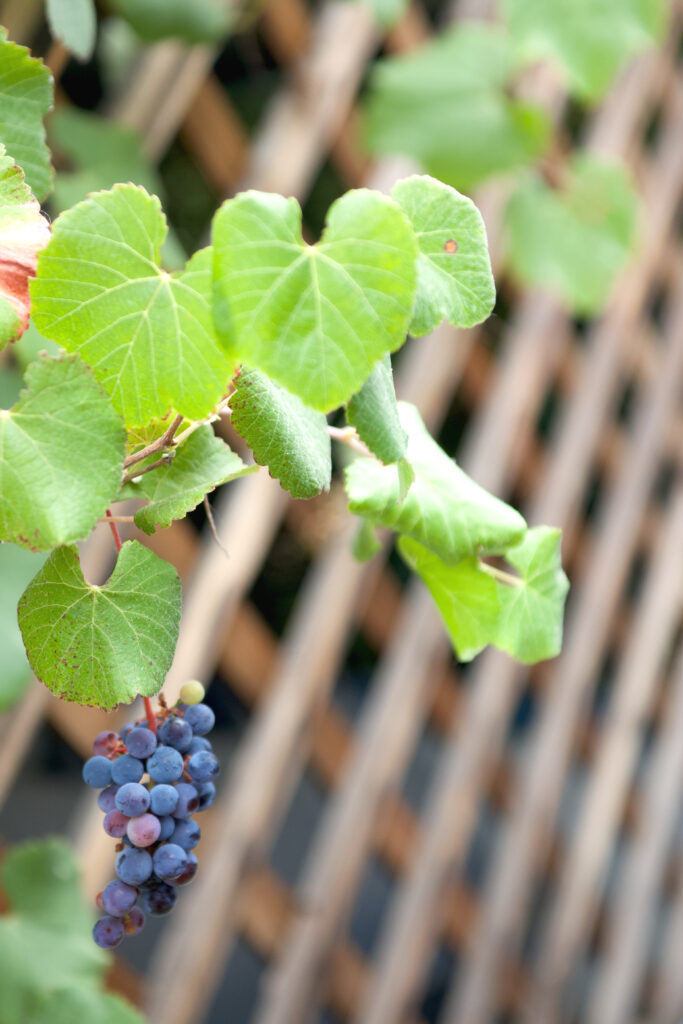
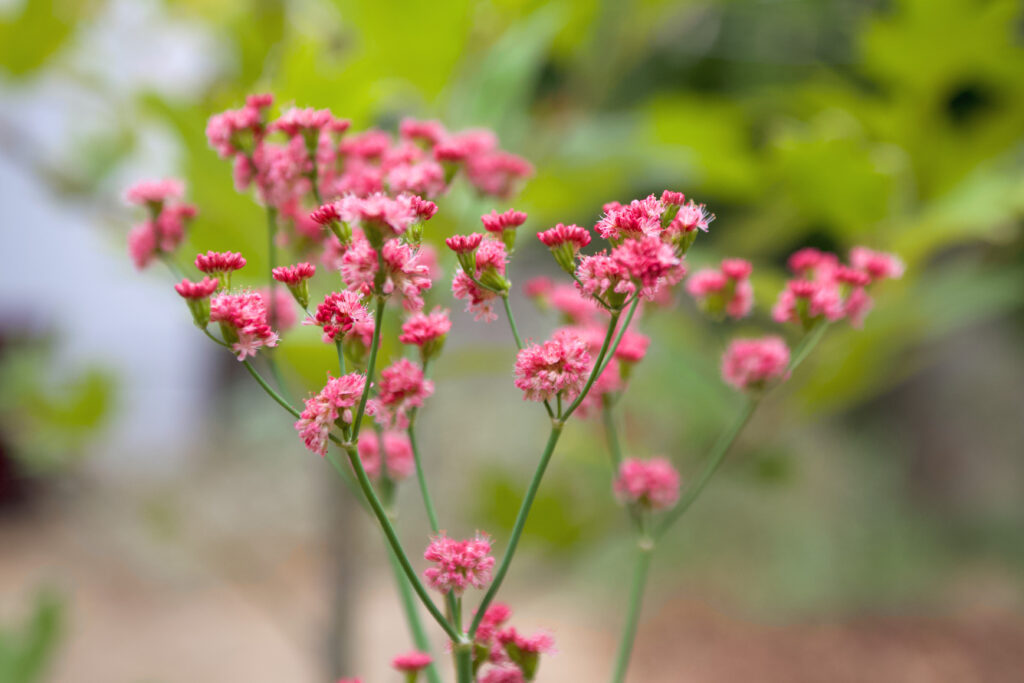
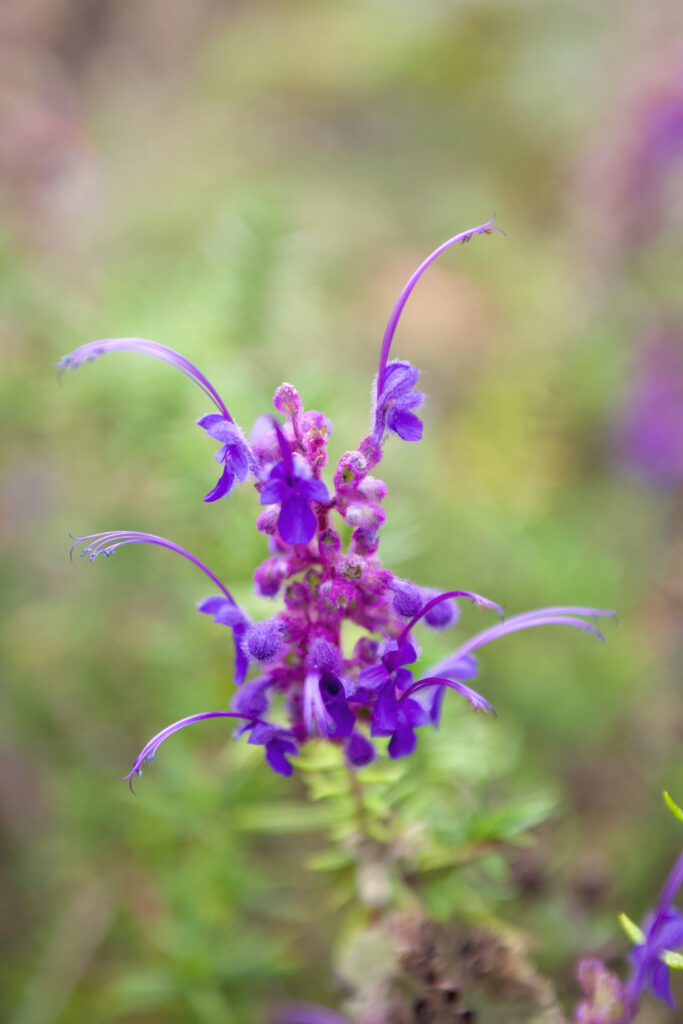
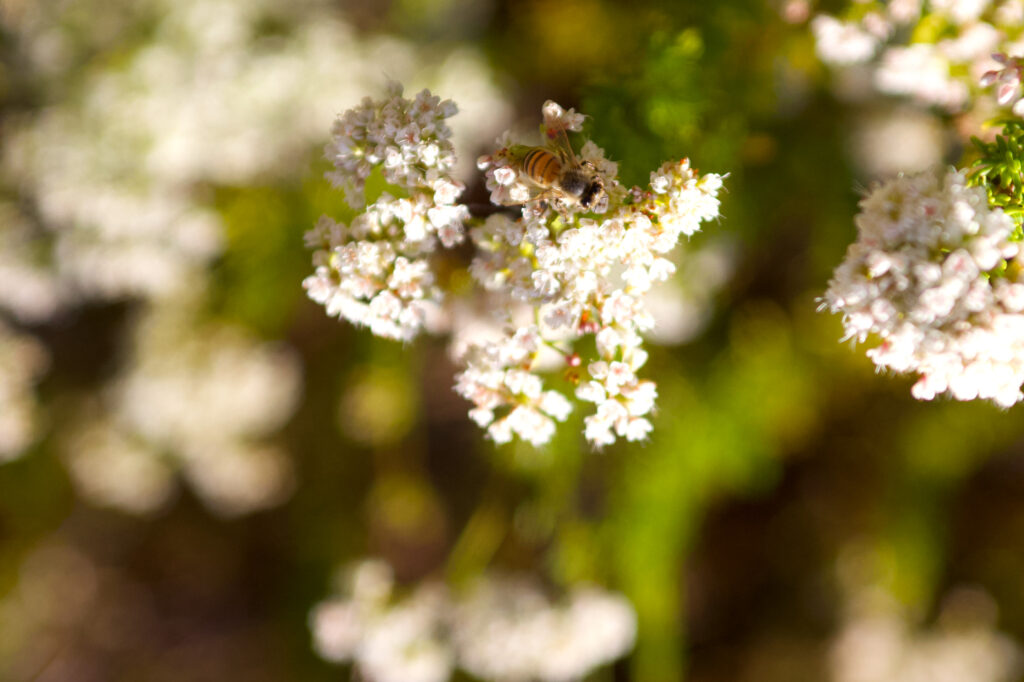
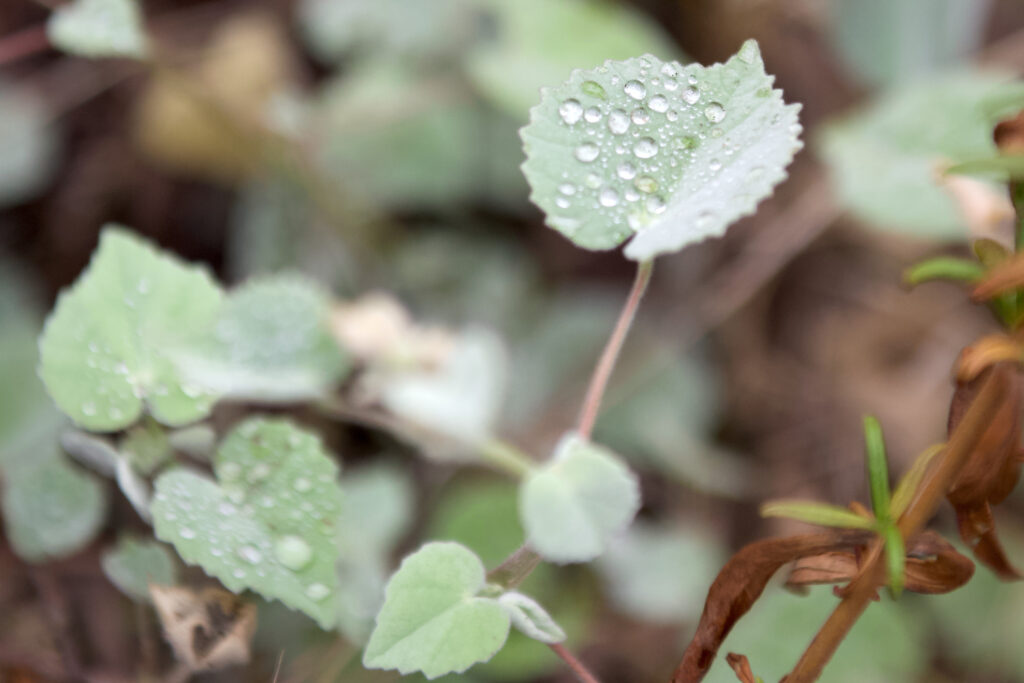
Native plants and wildlife have grown together in our region for many years. Including native plants and flowers helps wild birds and butterflies survive and flourish. One plant may be the only host plant for a certain butterfly. Others provide nectar and fruit for birds. Some plants are used for teas, seasonings, and food for us. Can you guess which flowers below can be used as flour and which is enjoyed as tea?
Pollinator Garden & Habitat Corner Services
Plant List
Do you want to plant yourself, but need to know which plants can thrive in your outdoor space and house wildlife? I create a tailored list of plants that suit your sun exposure and garden goals.
Plant List and Zone Map
I draw a guide that shows you your yard’s unique zones, and which plants (color coded!) thrive in these zones. This way, you can be confident about where you plant.
Starting at $100. We can also help you prepare & install
Complete Planting Plan
I create a plan detailed enough to follow yourself. It shows how many plants, and exactly where each goes. Includes plant care instructions and can include drip system layout.
Meet the gardeners
About
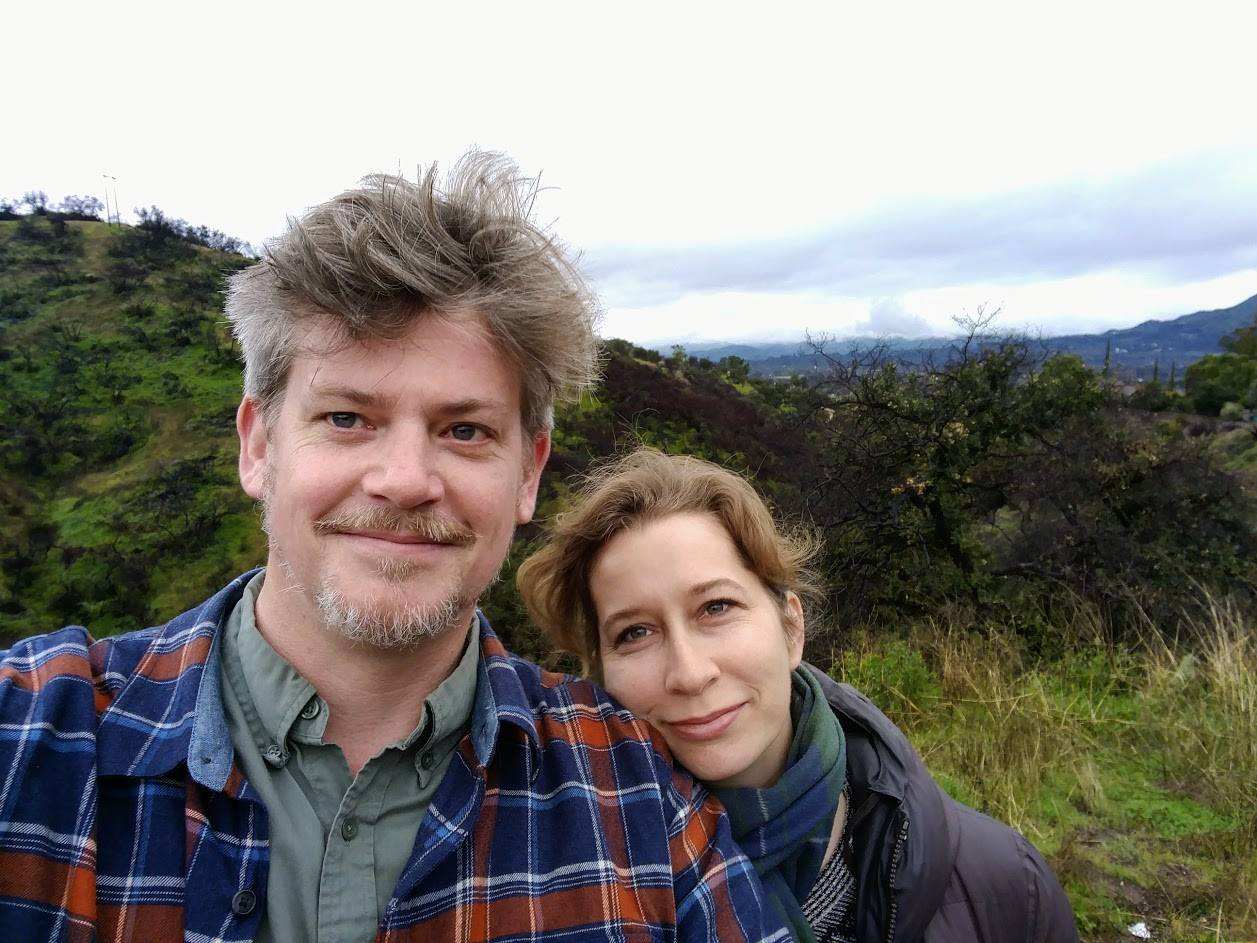
I am Pasadena Native Pollinator Garden Designer for Pasadena and surrounding foothills, and my husband is Native Plant Landscaper. It all began years ago, when we removed the lawn and started building a new kind of front yard: a wildlife habitat. The yard is now a place that buzzes with bees and flutters with butterflies, where I see a bird or a lizard every time I open the door. We focus on rebugging, rewilding, attracting and sustaining birds, foraging, fragrance, or anything you like.
We’ve lost 70% of all bugs since the 1970s, and our bird population is taking a hit because of this. The more habitat gardens we build (no matter how small!) the more we restore balance. We can help. We’ve read the books, taken the courses, tried the plants, and I’ve even found an inexpensive ways to keep an almost no maintenance, completely mosquito free water source. We can also help you get your own Certified Wildlife Habitat plaque. Learn more at Native Plant Garden Coach.
How it works
Our Process
1. Contact us about your unique projet or fill out our Garden Plan Form.
2. We assess your outdoor space microclimate and sun exposure.
3. We draw up your garden plans, and we help as much as you like.
Add ons:
Simple yard vist. Just need to talk to someone who knows native plants? We can have a conversation in your space or online to share knowledge and answer questions.
Wildlife Habitat Certification. We can walk you through or roll up our sleeves to help.
Garden concept art. As artists, we can sketch how different garden layouts may look when grown.
Why do native gardens require less maintenance?
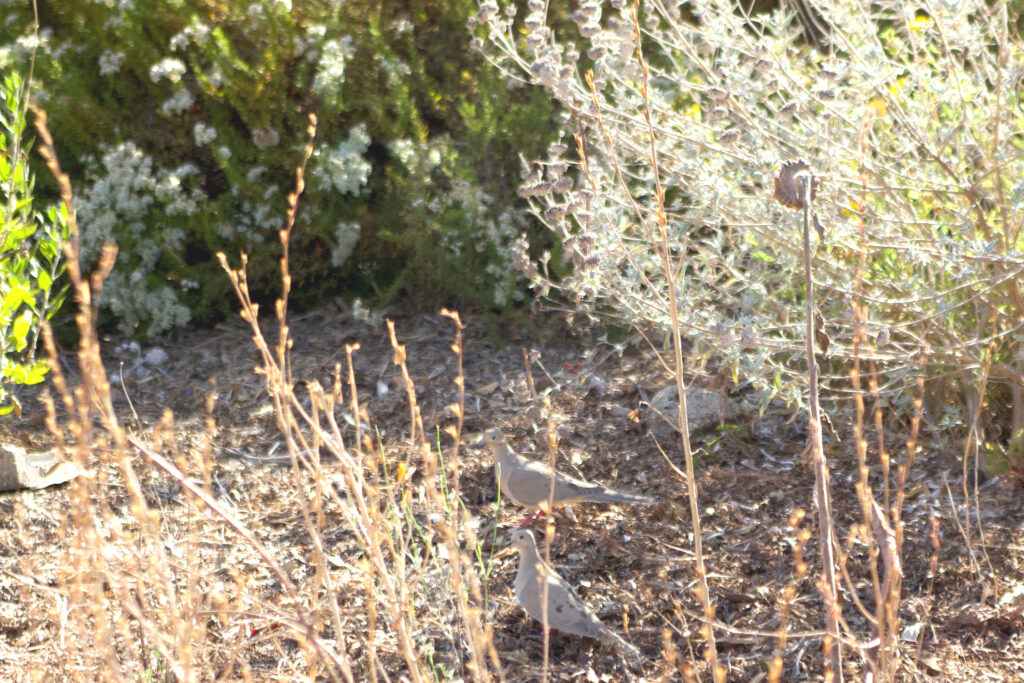
Native plants don’t grow as fast as many of the commonly used tropical imports and so they don’t require as much trimming (or water!). Leaving leaves and flower stalks not only encourages reseeding, it brings the brings the birds to the yard to forage, and, our native bees are born in the dry flower stalks, where they hibernate until spring.
Contact Us for a Free Quote!